Introduction
Modern commerce moves at a fast pace, and delivery expectations are higher than ever. Customers and companies now expect quick, flexible, and cost-effective transport options for goods of all sizes. This shift has made van delivery services a key part of daily operations for many industries, from retail to healthcare and e-commerce. Businesses depend on these services to move items quickly between suppliers, warehouses, and customers without delays that can affect sales or satisfaction.
The growing demand for same-day and scheduled transport has changed how companies handle logistics. Instead of maintaining large fleets, many now depend on external providers who offer flexible booking and rapid response options. This approach helps businesses stay active in competitive markets where timing plays a major role in success.
Flexible Transport Options for Changing Business Needs
One of the strongest reasons companies depend on on-demand transport is flexibility. Orders do not always follow a fixed pattern. Some days require multiple pickups, while others need urgent single deliveries across town.
Van delivery services offer adaptable scheduling, which helps businesses respond to these changes without long-term commitments. Whether it is moving stock between branches or sending urgent documents, companies can book transport only when it’s needed.
This flexibility is especially useful for small and medium enterprises that do not have dedicated logistics teams. It allows them to operate at fewer fixed costs while still meeting customer expectations.
Faster Response to Time-Sensitive Deliveries
Speed plays a critical role in modern logistics. Customers expect quick fulfillment, especially in urban areas where competition is strong. Businesses that fail to deliver on time lose repeat customers.
On-demand transport providers solve this challenge by offering rapid pickup and drop-off options. With van delivery services, companies can move goods within hours instead of waiting for scheduled shipping cycles.
The following industries are particularly affected by this:
Fast response times help businesses maintain reliability in the eyes of their customers and partners.
Cost Management Without Owning a Fleet
Owning and maintaining a delivery fleet involves fuel expenses, driver salaries, maintenance costs, and insurance. For many companies, these expenses are difficult to manage, especially when the delivery volume changes throughout the year.
On-demand transport removes the need for heavy vehicle and staff investment. Businesses only pay for the trips they book, which creates a controlled expense structure.
With van delivery services, companies avoid idle vehicle costs during slow periods and scale up easily during busy seasons. This financial flexibility supports better cash flow management and reduces operational pressure.
Support E-commerce Growth
The rise of online shopping has increased pressure on delivery systems. Customers want faster shipping, accurate tracking, and reliable service. Businesses that fail to meet these expectations struggle to compete.
On-demand delivery solutions help e-commerce companies manage order spikes, especially during sales events or festive seasons. Instead of relying on fixed shipping schedules, businesses can dispatch orders as they come in.
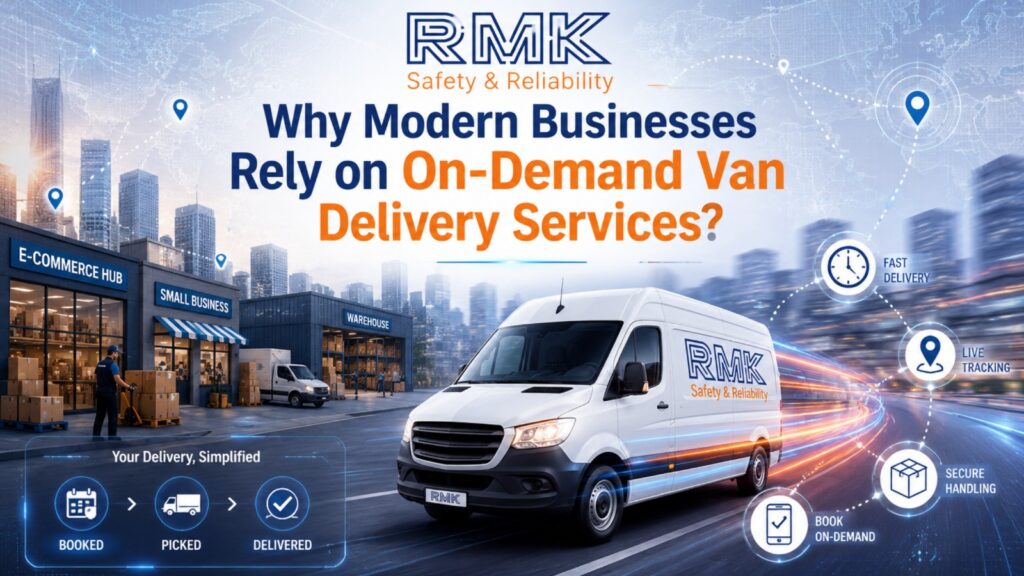
A simple workflow is used by many online sellers:
This system keeps operations smooth even during high-demand periods.
Reducing Operational Complexity
Managing in-house logistics requires coordination between dispatch teams, drivers, and inventory systems. As operations grow, this can become difficult to handle.
By using external transport providers, businesses reduce their internal workload. Responsibility for routing, driving, and delivery management shifts to service providers.
Van delivery services simplify operations by offering ready-to-use transport support. Companies can focus more on sales, customer service, and product development instead of logistics management.
Common Use Cases Across Industries
On-demand transport is not limited to one sector. Many industries rely on it for their daily operations. Here are some examples:
Each of these sectors benefits from flexible and fast logistics support.
Advantages of On-Demand Van Transport
Businesses choose this model for several practical reasons:
These advantages make on-demand transport a practical solution to modern logistics challenges.
Challenges Businesses Face
Before adopting flexible transport solutions, companies often face delayed deliveries, high operational costs, and lack of vehicle availability during peak times. These challenges can slow down business growth and affect customer satisfaction.
By using external transport support, companies can gain access to ready vehicles and trained drivers without managing them directly. This helps maintain steady operations even during unexpected demand spikes.
The Future of Business Logistics
As digital commerce continues to grow, delivery expectations will become even more demanding. Businesses will need faster, more flexible systems to stay competitive.
Van delivery services are expected to expand further as companies look for ways to reduce delivery times and improve service quality without increasing internal costs. On-demand logistics will likely become a standard part of business operations across many industries.
Conclusion
Modern business operations depend heavily on speed, flexibility, and cost control. On-demand logistics solutions provide a practical way to meet these needs without heavy transport infrastructure investment. Van delivery services have become an important part of this shift, helping companies move goods quickly, manage costs, and handle changing demand patterns.
As customer expectations rise, businesses that adopt flexible delivery systems will remain better positioned in competitive markets. Respond quickly to orders and maintain smooth logistics operations will remain key factors in long-term success.